Landscaping, Design & Build

CART (0)

No products in the basket.

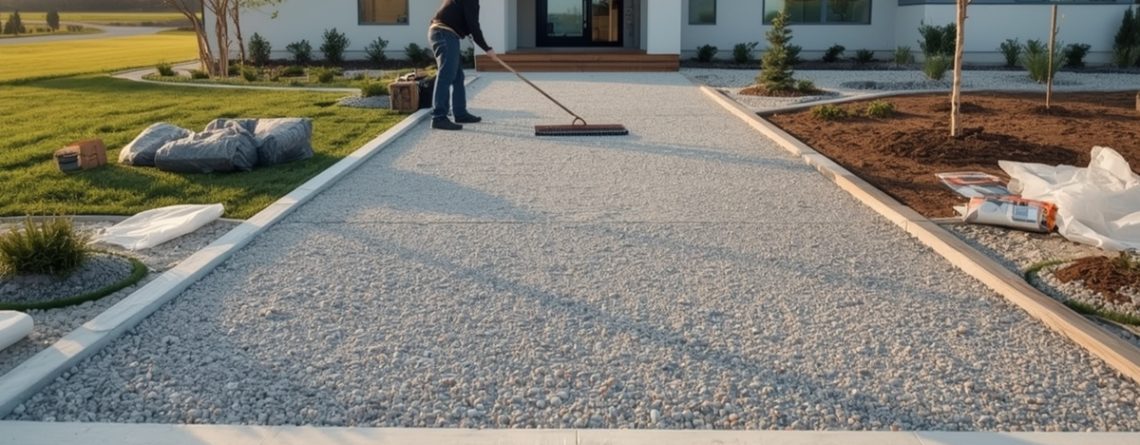
How to Stop Gravel from Moving or Sinking Over Time

Gravel is a popular choice for driveways, paths, and garden features because it looks natural, drains well, and is often more affordable than paving. However, many homeowners and landscapers face the same frustration over time. The gravel shifts, sinks, forms ruts, or spreads into surrounding areas. What starts as a neat surface can quickly become uneven and high-maintenance. The good news is that gravel movement is not inevitable. With the right preparation, materials, and installation methods, gravel surfaces can stay stable and attractive for many years. This guide explains why gravel moves, what causes sinking, and how proven solutions like proper ground preparation, specialist fabrics, and modern stabilisation systems help keep everything firmly in place.

Why Gravel Moves and Sinks Over Time

Before looking at solutions, it helps to understand the root causes. Gravel does not fail on its own. Movement and sinking usually happen because of what is happening beneath or around it. Common reasons include:
  • Weak or poorly prepared sub-base
  • Lack of separation between soil and stone
  • Water washing away fines or softening the ground
  • Repeated traffic from vehicles or footfall
  • No edge restraint to hold gravel in position
Soil conditions play a big role. Clay soils retain water and soften easily, while sandy soils can wash away during heavy rain. Without a proper barrier, gravel gradually presses into the soil below, leading to dips and uneven surfaces.

The Importance of a Solid Sub-Base

A stable gravel surface always starts below ground level. Skipping or rushing sub-base preparation is one of the most common mistakes. A proper sub-base should:
  • Be excavated to an appropriate depth
  • Be compacted thoroughly
  • Use a well-graded aggregate such as MOT Type 1 or Type 3
For driveways and high-traffic areas, industry guidance often recommends a sub-base depth of 150 to 200mm, depending on soil conditions and expected load. Light-use garden paths may need less, but compaction is still essential. Without this foundation, even the best gravel will shift and sink over time.

Separating Soil and Gravel with the Right Fabric

One of the most effective ways to stop gravel from disappearing into the ground is to use a quality separation layer. This is where specialist landscaping fabrics come in. A well-chosen fabric sits between the soil and the aggregate sub-base. It allows water to drain through while preventing soil particles from migrating upward into the gravel layer. Growtivation supplies a range of fabrics designed specifically for landscaping and ground control. Their products are built around the principle of “product that works,” with a strong focus on durability, performance, and consistency. When choosing a fabric, it is important to match it to the application.

Weed Control Fabric for Decorative Areas

In borders and light-use areas, heavy-duty weed control fabric can be effective. These fabrics suppress weed growth while allowing air, water, and nutrients to pass through. They are best suited for:
  • Decorative gravel beds
  • Borders and planting schemes
  • Areas without regular foot or vehicle traffic
For best results, the fabric should be pinned securely and covered with a minimum gravel depth to protect it from sunlight.

Woven and Non-Woven Geotextiles for Load-Bearing Areas

For paths, patios, and driveways, a heavier-duty multipurpose solution is required. This is where geotextile membrane products make a real difference. Growtivation offers woven and non-woven geotextile fabrics that:
  • Separate soil from aggregate sub-base
  • Spread loads more evenly
  • Reduce settlement and rutting
  • Improve long-term drainage
Using a robust fabric beneath the sub-base and gravel helps prevent a process known as pumping, where fine soil particles move upward under pressure and mix with the stone.

Using Gravel Stabilisation Systems for Long-Term Results

While fabric and sub-base preparation go a long way, modern gravel stabilisation systems take performance even further. These systems physically lock the gravel in place, reducing movement on the surface. One of the most effective options is Gravelrings, a gravel grid system developed by Beauxfort. Gravelrings are designed to contain and stabilize loose aggregate, making them suitable for both pedestrian and vehicular traffic.

How Gravel Grids Work

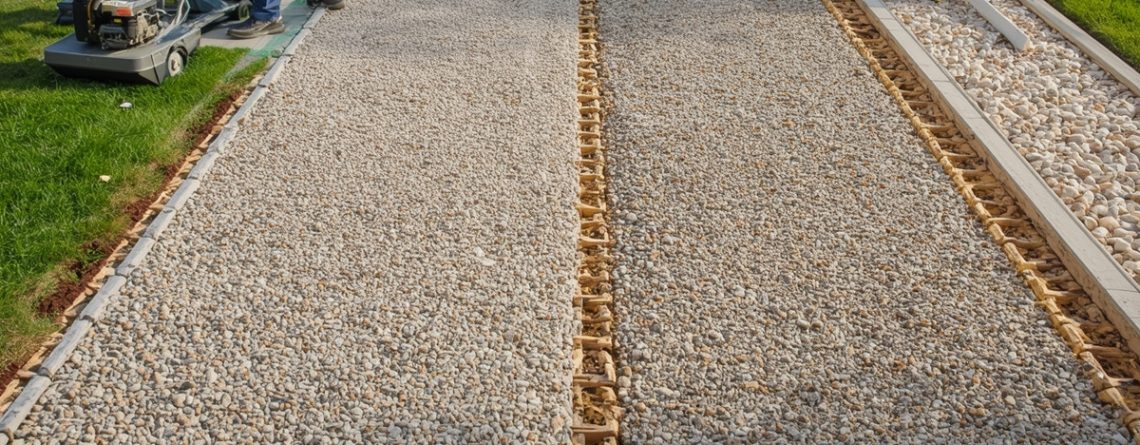
Gravel grids consist of interlocking panels with a honeycomb structure. Once installed and filled with gravel, they distribute weight evenly across the surface. Key benefits include:
  • Preventing gravel migration
  • Prevents sinking and rutting
  • Creating a firm, even surface
  • Maintaining a natural gravel appearance
According to industry data, gravel surfaces reinforced with grid systems can reduce surface movement by over 80% compared to loose-laid gravel alone, especially in driveways and parking areas.

When to Use a Gravel Grid System

Gravel grids are particularly useful for:
  • Driveways
  • Parking bays
  • Access roads
  • High-traffic garden paths
Using a gravel grid system also helps meet permeability requirements, making it suitable for sustainable drainage solutions where water runoff needs to be controlled.

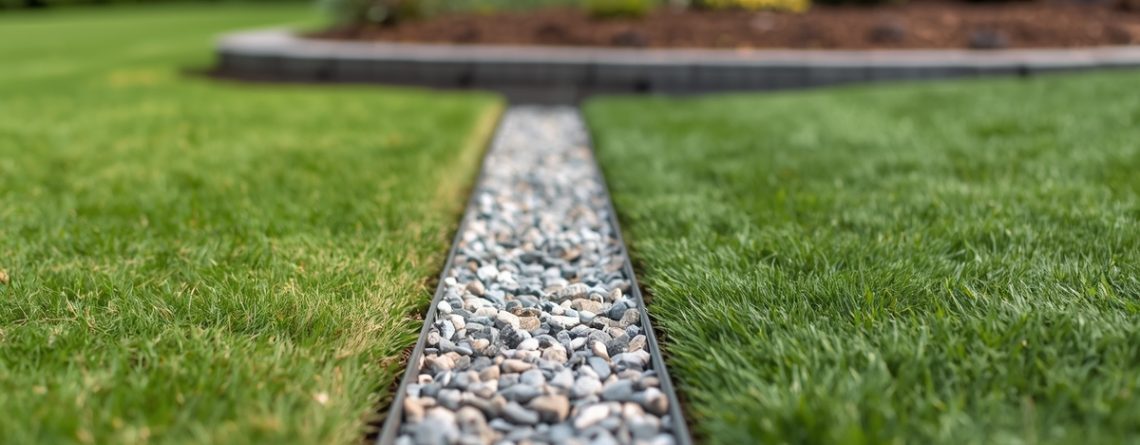
The Role of Edge Restraints

Even with a strong sub-base and stabilisation system, gravel still needs boundaries. Without edge restraints, stones will naturally spread outward over time. Edge restraints can be made from:
  • Metal edging
  • Stone kerbs
  • Treated timber
  • Concrete haunching
  • Brickwork 
Weathering steel edging is a popular choice in modern landscaping. It provides a clean finish, strong support, and blends well with natural materials. The key is to ensure edges are installed securely and sit slightly above the gravel level to keep everything contained.

Correct Installation Makes the Difference

Many gravel problems come from cutting corners during installation. Following a clear process helps avoid future issues. A proven installation approach includes:
  • Excavating to the correct depth
  • Compacting the sub-grade
  • Installing the appropriate fabric
  • Laying and compacting the sub-base
  • Adding edge restraints
  • Fitting gravel grids if required
  • Spreading and leveling the gravel evenly
  • Light compaction of the gravel surface
Gravel depth also matters. Most decorative and functional gravel surfaces perform best with a top layer of 30 to 50mm. Too little gravel exposes fabrics and grids, while too much can lead to unnecessary movement.

Drainage and Water Management

Water is one of the biggest factors in gravel instability. Poor drainage leads to soft ground, erosion, and sinking. Using permeable layers throughout the build-up allows water to pass through rather than pool on the surface. Growtivation’s drainage-focused geotextile products are designed to filter water while preventing drainage solutions from becoming clogged from silt build up. Studies in civil engineering show that surfaces with proper filtration and drainage layers can last several times longer than those without, particularly in areas exposed to frequent rainfall.

Maintenance Tips to Keep Gravel Stable

Even a well-built gravel surface benefits from light maintenance. Regular checks help catch small issues before they become bigger problems. Simple maintenance steps include:
  • Raking gravel back into place if displaced
  • Topping up thin areas as needed
  • Checking edges and fixing any movement
  • Clearing debris that may block drainage
With the right foundation and materials, maintenance becomes minimal rather than constant.

Choosing the Right Materials from the Start

Stopping gravel from moving or sinking is not about a single product. It is about using the right combination of preparation, fabric, stabilisation, and installation. Working with a trusted landscape supplies company ensures access to products that are designed for real-world conditions. Growtivation’s range of landscaping fabrics and ground control solutions are developed with quality control, clear branding, and proven performance in mind. These products support both domestic and commercial projects where reliability matters.

Bringing It All Together

Gravel surfaces can be durable, attractive, and low-maintenance when they are built correctly. Movement and sinking are usually signs of missing layers or unsuitable materials, not an issue with gravel itself. By focusing on solid groundwork, effective separation, proper drainage, and modern stabilisation systems like Gravelrings, it is possible to create gravel driveways and paths that stand the test of time. Each layer plays a role, and when they work together, the result is a surface that stays level, secure, and visually appealing. If you are planning a new project or looking to improve an existing gravel area, choosing the right products from the beginning will save time, effort, and ongoing repairs. Explore high-quality landscaping solutions and specialist gravel control products at https://www.landscapes-direct.com/ and take the first step toward a gravel surface that stays exactly where it should.  
Read more...

Steel vs. Plastic Edging: Which is Best for Your Landscape Design?

A clean edge can make or break a landscape. It keeps materials where they belong, defines lines, and gives beds, paths, and lawns a finished look. When it comes to choosing landscape edging, two options dominate most projects: steel and plastic. Both have a place in modern landscape design, but they behave very differently once they are in the ground. This guide walks through how each material performs, where it works best, and how to choose the right one for your space. Whether you are planning a small garden refresh or a full outdoor redesign, understanding the differences can save time, effort, and money in the long run.

Why Landscape Edging Matters More Than You Think

Edging is not just decorative. It plays a practical role in keeping landscapes tidy and low-maintenance. Good edging helps:
  • Prevent soil and mulch from spilling into lawns or paths
  • Stop gravel from migrating into planting areas
  • Define curves and straight lines clearly
  • Reduce long-term maintenance
  • Support weed control systems beneath the surface
When edging is paired with quality landscape fabrics, such as weed control or geotextile layers, it becomes part of a complete system. The fabric manages what happens below ground, while edging controls what happens at the surface.

A Quick Look at Steel and Plastic Edging

At a glance, the choice seems simple. Steel edging is strong and permanent. Plastic edging is flexible and affordable. The reality is more nuanced, especially when you factor in soil conditions, climate, traffic, and design goals. Before diving deeper, here is a broad snapshot. Steel edging is known for strength, durability, and clean lines. Plastic edging is valued for flexibility, ease of installation, and budget friendliness. Each shines in different situations.

Steel Edging: Strength and Structure

Steel edging is often chosen for projects where precision and longevity matter. It is commonly used in formal gardens, commercial landscapes, and areas with heavy use.

Key Benefits of Steel Edging

Steel edging stands out for several reasons:
  • Exceptional durability that holds shape for years
  • Sharp, clean lines ideal for modern designs
  • Strong resistance to movement from foot traffic or weather
  • Excellent containment for gravel and stone
High-quality steel edging is typically coated or treated to resist corrosion. Many modern products use weathering steel that develops a controlled patina while maintaining structural integrity.

Where Steel Edging Works Best

Steel edging performs especially well in:
  • Gravel paths and drive borders
  • Straight or gently curved designs
  • High-traffic areas
  • Commercial or public landscapes
  • Projects where long-term performance is a priority
It also pairs well with ground control systems like gravel grids. When gravel is laid over a stabilisation grid and edged with steel, the result is a strong, tidy surface that resists spreading.

Installation Considerations

Steel edging usually requires more effort to install than plastic. It may need:
  • Accurate measuring and cutting
  • Firm ground preparation
  • Secure fixing stakes or pins
Using a solid base layer and a suitable geotextile fabric beneath the surface helps prevent settling and movement over time. This combination supports the edging and extends its lifespan.

Potential Drawbacks

Steel edging is not without downsides:
  • Higher upfront cost
  • Less forgiving if layout changes later
  • Can be challenging to adjust once installed
For projects that may evolve over time, this rigidity can be a limitation.

Plastic Edging: Flexible and Practical

Plastic edging remains popular for residential gardens and DIY projects. It offers versatility and ease without the need for specialist tools.

Key Benefits of Plastic Edging

Plastic edging appeals to many homeowners because it is:
  • Lightweight and easy to handle
  • Flexible enough for tight curves
  • Budget friendly
  • Simple to cut and install
Many plastic edging products are made from recycled materials, which can be an added benefit for environmentally conscious projects.

Where Plastic Edging Works Best

Plastic edging is well suited to:
  • Curved garden beds
  • Light-use residential spaces
  • Temporary or evolving designs
  • DIY installations
It works particularly well when used alongside weed control fabrics under mulch or bark. The fabric limits weed growth, while the edging helps keep the mulch layer in place.

Installation Considerations

Plastic edging is typically quick to install. Most systems rely on:
  • Shallow trenches
  • Integrated or separate plastic pegs
  • Minimal ground preparation
For best results, the soil should still be compacted properly. Using landscape fabric beneath planting areas adds stability and helps the edging stay aligned.

Potential Drawbacks

Plastic edging does have limitations:
  • Can shift over time in loose soil
  • Less effective at containing gravel
  • May degrade faster under constant sun exposure
  • Can look less refined in formal designs
In high-traffic areas or where heavy materials are involved, plastic may need more frequent adjustment.

Comparing Performance Over Time

Longevity is one of the biggest differences between steel and plastic edging. Steel edging often lasts decades with minimal movement. It holds its line even as soil settles and seasons change. Plastic edging, while durable, may need realignment or replacement sooner, especially in exposed locations. When edging is installed over a proper sub-base and supported by quality geotextile fabric, both materials perform better. Fabric prevents soil mixing and reduces uneven settling, which directly affects how well edging stays in place.

Visual Impact and Design Style

Design style often influences the final choice. Steel edging delivers a crisp, almost invisible border that lets materials speak for themselves. It suits contemporary designs and clean layouts. Plastic edging tends to be more visible, although newer designs aim to blend in. It works well in informal gardens where softness and curves are part of the aesthetic. If visual impact matters as much as function, steel often has the edge.

Cost Considerations Beyond the Price Tag

Plastic edging usually costs less upfront, which makes it attractive for larger areas or budget-conscious projects. Steel edging costs more initially but may offer better value over time due to reduced maintenance and replacement needs. It helps to think in terms of total project lifespan rather than installation day alone.

Steel or Plastic With Gravel Systems

Gravel surfaces present a special challenge. Without proper containment, gravel spreads quickly. Steel edging excels here, especially when paired with gravel grids such as gravelrings. The grid stabilises the gravel, while steel edging locks everything in place. Plastic edging can work for decorative gravel areas, but it may struggle under vehicle or heavy foot traffic.

Making the Right Choice for Your Landscape

Choosing between steel and plastic edging comes down to a few key questions:
  • Is the design formal or informal?
  • Will the area see heavy use?
  • Is flexibility more important than permanence?
  • What materials need to be contained?
  • How long should the solution last without adjustment?
Answering these helps narrow the choice quickly. In many landscapes, a mix of both materials makes sense. Steel may define main paths and gravel areas, while plastic shapes softer planting beds.

Supporting Edging With the Right Foundation

No edging performs well without proper preparation. Ground conditions matter just as much as the edging material itself. Using quality weed control and geotextile fabrics beneath beds, paths, and gravel areas improves stability and reduces long-term maintenance. These fabrics allow water and air through while preventing soil movement and weed growth. When combined with the right edging, they create a landscape that looks better and lasts longer.

Final Thoughts

Steel and plastic edging each serve a clear purpose in landscape design. Steel offers strength, clean lines, and long-term reliability. Plastic delivers flexibility, ease, and affordability. The best choice depends on how the space will be used, how permanent the design is, and what materials need to be controlled. With thoughtful planning and the right supporting products beneath the surface, either option can deliver a polished, professional result. If you are planning a landscape project and want guidance on edging, fabrics, or ground control systems, explore the full range of solutions available at https://www.landscapes-direct.com/. You will find practical products and clear information to help you build landscapes that look good and perform well for years to come.
Read more...

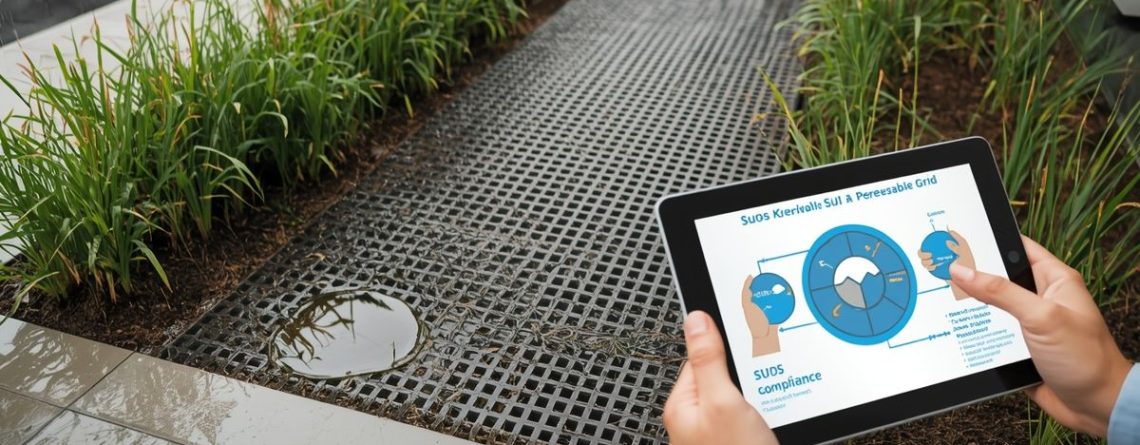
Sustainable Landscaping: How Permeable Grids Support SUDS Compliance

Sustainable landscaping has become a central focus for homeowners, contractors and commercial developers who want to manage water responsibly while creating spaces that look good and perform well. With weather patterns becoming less predictable and local authorities placing more emphasis on sustainable drainage, the need for practical surface solutions continues to grow. Permeable grids are one of the most reliable and user-friendly options for achieving Sustainable Drainage Systems (SuDS) compliance. They help control runoff, reduce flooding risk and create stable, attractive surfaces for driveways, paths and parking areas. When combined with the right geotextile fabrics, they create a strong system that supports long term drainage and ground stability. Landscapes Direct works with trusted manufacturers like Growtivation, whose range of geotextile fabrics and ground control products are designed for real world performance. Their focus on quality, durability and practical application makes them valuable for any project where compliant drainage and long lasting results matter.

What SuDS Compliance Means for Landscaping

SuDS refers to a set of drainage practices that manage surface water in a more natural and sustainable way. Instead of directing stormwater straight into drains, SuDS slows the flow, promotes infiltration and reduces pressure on drainage networks. Key goals include: • Reducing surface water runoff • Preventing local flooding • Improving water quality • Recharging groundwater • Supporting natural habitats In many areas, SuDS-compliant surfaces are now required for new builds and strongly encouraged for renovations. Permeable paving and grid systems have become a preferred solution because they offer good drainage performance while still allowing for practical daily use.

Why Permeable Grids Have Become Popular

Permeable grids, such as gravel retention panels and grass support systems, create a stable surface that allows water to flow down into the ground rather than across it. This supports local drainage while preventing rutting, sinking and loose aggregate movement. Key advantages include: • A stable, slip-resistant surface • Compatibility with grass, gravel or mixed finishes • Reduced maintenance compared to loose stone • Support for healthy soil structure and root development • Long service life when installed with suitable geotextile layers Growtivation’s Gravelrings and Grassrings systems are examples of grids designed for both pedestrian and vehicular use. Their designs support load distribution while keeping gravel or turf in place, which is important for long-term performance and appearance.

The Role of Geotextile Fabrics in Permeable Landscaping

Permeable grid systems rely on strong groundwork. This is where geotextile fabrics become essential. They help stabilise the soil, improve load distribution and prevent the mixing of sub-base materials with surrounding soil. Without this support, surfaces can fail long before their expected lifespan. Growtivation produces several categories of geotextile fabrics, each suited to different needs within a SuDS-compliant installation.

Weed Control Fabrics

Products such as WEEDTEX and LANDTEX are designed to suppress weed growth without chemicals. They allow nutrients, water and air to pass through while blocking light to weed seeds. These fabrics are suitable for decorative borders, planting areas and non-trafficked landscaped spaces. They are often used alongside permeable grid systems when creating edging and surrounding features.

Woven Geo Fabrics for Stabilisation

GROUNDTEX is a tough woven geotextile that works for both heavy-duty weed suppression and ground stabilisation. It can sit beneath paths, patios or sub-base layers to create a more consistent and supportive ground structure. Its tear resistance makes it valuable in installations that involve gravel grids or heavy traffic.

Non-Woven Drainage Fabrics

DRAINTEX and DRIVETEX are non-woven fabrics with excellent permeability. They are widely used for French drains, soakaways and permeable paving bases. DRIVETEX, in particular, is suited to areas where vehicles will be present because it maintains strength underground and prevents sub-base contamination. This helps reduce rutting and preserves the integrity of the grid system.

Heavy Duty Geotextiles for Demanding Projects

EARTHWORX NW1000 is a robust fabric used in civil engineering, highways and other sites with high traffic or heavy loads. Although stronger than what most domestic projects require, it shows how advanced geotextile options can be when serious reinforcement is needed. This kind of fabric ensures that even in challenging environments, surface systems remain stable and durable.

How Permeable Grids and Geo Fabrics Work Together

A SuDS-compliant surface is successful when each layer performs its role effectively. Permeable grids provide structure at the top, while geotextile fabrics work below to keep everything stable and draining well. A typical installation might include: • A prepared sub-grade • A non-woven geotextile like DRAINTEX or DRIVETEX for filtration • A free-draining sub-base such as MOT Type 3 • A permeable grid system such as Gravelrings or Grassrings • Finished gravel or turf placed into the grid Each layer supports the one above it by controlling water flow, preventing material migration and spreading loads evenly. This combination helps maintain a safe and firm surface even during heavy rainfall or regular use.

Using Permeable Grids for Driveways

Driveways benefit greatly from permeable systems. Traditional paved driveways often cause runoff problems, especially during storms. Permeable grids allow water to pass through the surface and soak into the ground instead. Gravelrings is one example of a grid system designed for driveways. Its cell structure locks gravel in place, stopping it from spreading or wearing thin. The integral mesh base helps prevent gravel from shifting underneath the panel. When paired with DRIVETEX, the risk of rutting is reduced because the sub-base stays separated and stable. Homeowners appreciate these systems because they maintain a neat appearance and reduce the need for frequent top-ups or repairs.

Supporting Green Landscapes with Grass Grids

Grassrings offers a way to keep natural greenery while still creating a usable surface for vehicles or pedestrians. The panel prevents soil compaction, which helps grass roots stay healthy. It is suitable for overflow parking areas, garden access routes and recreation spaces. When installed over a suitable geotextile and sub-base, grass grid systems and gravel grids for driveways help keep muddy areas under control and maintain a more consistent appearance year-round.

Installation Tips for Better Performance

To get the best results from a permeable grid system, preparation is essential. Contractors often follow the steps below to ensure a stable, long-lasting finish.
  • Assess site levels to maintain natural water flow • Excavate to a suitable depth for the chosen sub-base • Install the correct geotextile fabric for drainage and stabilisation • Compact sub-base layers evenly • Ensure grids are clipped together and use pins to anchor grids into sub-base • Fill grids completely and overfill gravel between 10-15mm
- Ensure top edge of grass grid slightly exposed • Compact the gravel finish lightly to settle the surface Using the appropriate fabrics can make a significant difference in how well the installation handles long term wear and varying weather conditions.

Why Quality Materials Matter

Growtivation focuses on producing reliable products supported by strong quality control. Their branding helps installers identify the right fabric for each application, which reduces errors on-site. Clear packaging, instructional materials and support resources also help users understand how to get the most from the products. Because SuDS installations must perform well over many years, choosing fabrics and grid systems with proven performance is important. Poor quality materials may degrade, clog or tear, which can compromise the entire surface.

Looking Ahead at Sustainable Landscaping

As planning rules continue to favour drainage-friendly surfaces, demand for permeable systems will only increase. Permeable grids are becoming a standard option for modern landscaping because they combine practicality with environmental responsibility. When paired with geotextile fabrics that stabilise and protect the ground, they create a complete solution that supports both usability and sustainability. Whether you are working on a domestic garden, a commercial site or a public space, investing in a proper SuDS-compliant foundation will provide long-term value. Permeable grids give property owners a way to manage water better while keeping surfaces attractive and functional. If you are planning a project and want materials that perform well across a range of landscaping needs, Landscapes Direct offers access to quality products designed to work in real-world conditions. You can explore the full range and connect with experts who understand what different projects require. For dependable, practical solutions that support sustainable landscaping, visit https://www.landscapes-direct.com/ and take the next step toward building smarter outdoor spaces.
Read more...

The Ultimate Guide to Building a Low-Maintenance Gravel Driveway

If you are looking for a practical, cost-effective, and attractive driveway option that does not require constant upkeep, a gravel driveway is an excellent choice. When installed correctly, it can last for decades and blend beautifully with any landscape. The key lies in using the right materials, preparation techniques, and support products, especially for weed control and ground stabilisation. In this guide, we will walk you through how to build a durable, low-maintenance gravel driveway that looks great all year round.

Why Choose a Gravel Driveway?

Gravel driveways remain popular for good reason. They are:
  • Affordable: Installation costs are significantly lower than asphalt or concrete.
  • Permeable: Rainwater naturally drains through gravel, reducing puddles and runoff.
  • Durable: When built with proper support, gravel can handle heavy vehicles with ease.
  • Attractive: With many stone colours and textures available, it is easy to match your home’s exterior or garden design.
According to Homebuilding & Renovating (UK), a professionally installed gravel driveway costs around £40–£80 per square metre, depending on materials and preparation. This is a fraction of what you would pay for block paving or tarmac.

Planning Your Driveway

Before laying the first stone, spend some time planning. Consider:
  • Driveway size and layout: Think about how many vehicles you will park and how easily they will manoeuvre.
  • Drainage: Gravel allows natural drainage, but if your area is prone to flooding, consider adding a geotextile drainage fabric such as Draintex to prevent waterlogging.
  • Edging: A clean edge not only looks good but keeps gravel in place. Steel corten edging or weathering steel garden edging provides a neat, long-lasting border.
  • Sub-base stability: A good sub-base prevents ruts and sinking. A gravel grid system like Gravelrings helps lock the gravel in place and provides excellent load support.

Step-by-Step: Building a Low-Maintenance Gravel Driveway

Step 1: Mark and Excavate the Area Mark out the shape of your driveway using string or spray paint. Excavate to a depth of about 200–250mm, depending on your soil type and expected vehicle load. This allows room for the membrane, sub-base, and gravel layers. Step 2: Lay the Driveway Membrane To keep your driveway low-maintenance, install a weed control fabric or geotextile membrane before the sub-base. This stabilises the soil and prevents the sub-base from mixing with the ground below. Growtivation’s Drivetex is a professional-grade stabilisation choice for driveways and roads. It is a heavy-duty non-woven fabric designed specifically for areas under vehicular traffic. Benefits of using Drivetex or similar geotextile fabrics:
  • Prevents rutting and sinking
  • Allows drainage and filtration
  • Reduces long-term maintenance
  • Provides long-lasting separation between soil and aggregate
If you are working on softer ground, you can add a woven landscape layer like Groundtex beneath the sub-base for extra stability. Step 3: Create a Firm Sub-base A strong foundation is essential. Lay MOT Type 1 aggregate (crushed stone) in layers of around 75mm, compacting each layer with a plate compactor. The sub-base should be even and well-packed to prevent future sinking. Step 4: Install Edging Install your chosen edging materials at this stage to provide a stable frame for the gravel and grid system. Steel corten edging adds a modern, rust-toned finish that weathers beautifully over time, while weathering steel garden edging provides a sleek, long-lasting barrier. Proper edging reduces the need for constant raking and gravel top-ups. Step 5: Install a Gravel Grid System To achieve a smooth and stable finish, use a gravel grid system such as Gravelrings. These interlocking panels hold the gravel in place, preventing shifting and spreading over time. Key advantages of Gravelrings:
  • Supports heavy loads, ideal for cars and light commercial vehicles
  • Prevents gravel migration and sinkage
  • Keeps the surface level and safe
  • Allows water permeability for natural drainage
Install the gravel grid panels directly on top of the sub-base, then secure them using fixing pins before adding gravel. Step 6: Add Your Gravel Once the grid system is in place, fill it with your chosen gravel. Use angular stones between 10–20mm in size, as rounded pebbles tend to move more easily under tyres. Pour gravel evenly across the grid, ensuring each cell is completely filled and sits slightly above the top edge of the panels. Rake the surface for a neat, uniform finish.

Tips for Long-Term Maintenance

Gravel driveways are naturally low-maintenance, but a little care goes a long way:
  • Rake occasionally: This keeps the surface even and prevents dips from forming.
  • Top up gravel every few years: Add a thin layer to maintain depth and appearance.
  • Control weeds: Weed growth should be minimal if you use a quality fabric such as Groundtex, which offers both weed control and stabilisation. Spot-treat any weeds that appear at the edges.
  • Keep edges tidy: Sweep away loose stones from nearby walkways or lawns.
  • Ensure proper drainage: If puddles form, it may indicate compacted gravel—loosen the surface to restore permeability.

Choosing the Right Materials

The quality of your driveway depends on the materials used. Reputable landscape suppliers such as Landscapes Direct offer durable, proven solutions. Growtivation products available include:
  • Weedtex: Ideal for light-duty areas such as borders or under decking
  • Landtex: A thicker fabric for general landscape use, allowing air and water flow while blocking light to prevent weeds
  • Groundtex: Suitable for both soft and hard landscaping projects, offering weed control and stabilisation
  • Draintex: Perfect for drainage and filtration beneath driveways and soakaways
  • Drivetex: Professional-grade stabilisation choice for driveways and roads
Each product is rigorously tested for strength, permeability, and durability.

Environmental and Cost Benefits

Gravel driveways are environmentally friendly. Unlike concrete or asphalt, gravel allows rainwater to seep naturally into the ground, supporting sustainable drainage systems. Gravel is also recyclable and easy to replenish, making it one of the most sustainable driveway materials. From a cost perspective, maintenance is minimal. Once installed, most homeowners spend only a small amount each year topping up gravel or managing edges.

Why Work with Landscapes Direct

At Landscapes Direct, you will find everything needed to create a professional-quality gravel driveway. They partner with leading manufacturers like Growtivation to offer premium geotextile membranes, weed control fabrics, gravel grids, and landscape edging products. Every product is backed by Growtivation’s commitment to quality, performance, and value. Whether you are a contractor building multiple driveways or a homeowner improving your property, Landscapes Direct ensures you have access to products that work.

Final Thoughts

A well-constructed gravel driveway offers the perfect balance of function, beauty, and longevity. With the right groundwork, quality materials, and careful planning, you can enjoy a driveway that looks pristine and performs well for years without constant upkeep. Investing in durable geotextile membranes, gravel grid systems, and sturdy edging from trusted brands like Growtivation, available at Landscapes Direct, will create a surface that stands the test of time. Visit Landscapes Direct to explore premium gravel driveway grid systems, weed control fabrics, and other professional-grade landscape supplies. Build smarter, build stronger, and enjoy a low-maintenance driveway that enhances your home.
Read more...

The Importance of Sunlight & Nature in Landscaping

Landscaping is a process that works with, alongside and against nature depending on what you’re trying to achieve. We all know that nature in the long-run will typically prevail and we acknowledge this in lifespan expectations in the technology and chemicals used in the tools and products aimed at landscaping professionals. One part of nature often overlooked is the Sun; a commonality with interior designers who are indeed the landscapers of the inside of a property. The impact of the Sun and the way its light interacts with design aspects and natural vegetation has the potential to both enhance and detract from the overall aesthetic of a garden design in a considerable way. This makes it an important consideration for landscapers.

How Does the Position of The Sun Affect The Garden

Every single colour and material finish chosen in a garden space will change in appearance depending on the angle and intensity of the sun throughout the year. Whilst this seems quite obvious, the variation that this can lead to is greater than one would first imagine. Consideration for how light and dark shades interact with your colour choices demands some thought for all seasons, low and high sun and also in the context of changing vegetation during these times.

The Usability of Garden Space

When considering the space in a garden that sees the majority of the footfall, especially when that involves entertaining space, the way light interacts with the surroundings is very important.  It’s essential to create a space that’s exposed to the sun but is able to be shaded when necessary. Taking steps to understand the compass direction in which the garden faces is a starting point as that will determine factors such as whether such a space should be attached directly to the house or set away somewhat to capture the most light. Of course, there are more considerations than sunlight, but with the great British weather means taking full advantage of the Summer months when they come.

Plants & Behaviour in Sunlight

For anybody familiar with general gardening know-how, sunlight and plants have an unbreakable relationship which is unlikely to be influenced heavily by the decisions we make in designs. Whilst we choose where a plant is placed, our next point of influence is the amount of shade and direct sunlight the plant receives. It’s where this insight into horticulture is used within landscaping design ideas the interaction between nature and landscaping products works best.
Read more...

3 Landscaping Considerations that Make You a Good Neighbour

Your garden is your own space and you should always feel like you’re able to make your own decisions and ensure everything in it is to your liking. With that said, the spaces we occupy as households rarely exist in isolation and for the vast majority of us, taking some simple steps towards being good neighbours can enhance your own experience, without infringing on your neighbours’ property and lifestyle.

Fencing & Borders

The border between you and your neighbour is nothing but a red line on a map until something physical is put in place to mark it in reality. Fencing has changed a lot over the past decade and designs have certainly taken into account more modern architectural trends that tend towards neat lines and coordination with other landscaping elements such as decking.  A great example of this is the MaxFence range, which alongside being aesthetically neat and well-designed, is generally capable of withstanding gale force nine winds, which serves to protect both yours and your neighbour’s property in the event of turbulent weather. Choosing a high-quality fencing solution is most certainly a considerate thing to do as it lessens the potential for disruption and damage for both your household and those neighbouring you too. The plants you choose along your border should be considered too, as the fence, hedgerow or other border aspects will only extend a certain height upwards and a limited depth downwards. This means there’s still scope for incursion onto neighbours’ property even with a physical barrier in place. 

Height of Plants - All Year Round

Tying in closely with the fencing and border point; plants and trees etc must be considered in their state during all four seasons and also their adherence to border lines over the course of the next few decades. There are clear rules in place for how neighbours can correct an incursion from next door’s tree branches, but the onus remains on the owner of the tree to ensure there isn’t an incursion to begin with. This should also be considered a seasonal issue as plants on and near the border area may have a varying impact on sunlight reaching a neighbour’s property during Winter vs Summer given the differring position of the sun and how the tree’s vegetation varies throughout the year.

Position of Your Functional Space

Creating an attractive, comfortable outdoor space in your garden opens up a wonderful opportunity to invite friends and family to your home or enjoy a warm Summer evening relaxing. In the planning phase of such a project, it’s important to consider the proximity of any gathering to your neighbour’s home. Installing a decked area where you’re likely to host gatherings has the potential to lead to noise complaints; whereas the same decking space on the opposite side of the garden away from the boundary may likely be unnoticeable to your neighbour. Whilst you indeed have the right to choose where your decking rests in your garden, part of your decision-making should include your neighbour’s comfort too. After all, they have the freedom to bring noise and disturbance close to their side of your shared boundary too.
Read more...

6 Questions About Artificial Grass You Should Be Asking

Artificial grass is notable for needing little maintenance and looking great all year round. As you consider installing artificial grass in your garden, it’s worth becoming familiar with the differences between it and a natural lawn.  We find that people often ask the following questions before bringing in a landscaper to install artificial grass. 

1. Can artificial grass wear out?

Much like any synthetic material, given enough time, artificial grass can wear out. Manufacturers have given this a great deal of thought as consumers expect their artificial grass to last a long time before needing replacement and products available on the market today typically have warranties long enough to satisfy most homeowners. The MaxGrass Bodiam 40mm Luxury Artificial Grass product, for example, comes with an 8-year warranty. Whilst this doesn’t guarantee there won’t be signs of wear appearing before this time under normal use, this timescale shows that the material technology used in the product is designed to stand up to many years of use. The flexibility that one has with artificial grass is that it can, if necessary, be replaced in sections. This is particularly important if certain areas of a garden space see greater footfall than others, which is likely to be the case in most usage scenarios.

2. Can artificial grass be laid on a slope?

Yes, artificial grass can be laid on a slope. In fact, this is a great example of a scenario where artificial grass outperforms natural lawns for several reasons. Firstly, artificial grass is somewhat easier to put in place on a sloped surface. Secondly, the impact on the environment is lessened by using artificial grass on a slope as the water runoff and drainage can be controlled to a greater extent. You can read more about this in our recent article that talks about the environmental benefits of artificial grass.

3. Is artificial grass good for dogs?

Yes, artificial grass is good for dogs and other pets and animals. The main considerations that dog owners have often stem from the ability of the grass to stand up to dog urine and waste and whether artificial grass becomes hot during the Summer months. Artificial grass is perfectly capable of withstanding the chemical effects of contact with animal urine. However, additional cleaning sprays are available that are designed to break down chemicals that remain in the layers of the artificial grass, and these are simply applied with a hose at regular intervals. Dog waste will remain on the surface until disposal as with natural turf. Such chemicals are ideal for ensuring odours don’t develop from animal waste products that remain within the fibres of the layers beneath the visible grass blades. Artificial grass is no more likely to be hot to the touch of dogs’ paws than natural grass and modern plastic materials used in production dissipate heat effectively.

4. Is artificial grass permeable?

Yes, artificial grass is water-permeable. Drainage is a key consideration for manufacturers and over the years technology has given rise to materials that more effectively allow water to permeate the layers of synthetic grass. This makes artificial grass perfectly suitable for use in the UK where rainfall is frequent. In fact, some sources suggest that artificial grass is more effective at drainage than natural turf.  Amongst other applications, artificial grass is typically used as a straightforward alternative to natural turf and when doing so a well-draining base should be used. This is key to avoiding flooding and other ‘below the surface’ issues. As with many things, protecting against flooding and puddling relies on good installation practices and ensuring good advice is taken. 

5. Is artificial grass slippery when wet?

Artificial grass can become slippery when wet but is less likely to hold onto water than natural turf. Unlike natural turf which can become waterlogged and retain water, the drainage properties of artificial grass mean rainwater typically permeates the layers and drains away effectively and according to the plans made during installation. This makes artificial grass less likely to remain wet and slippery. Many people enjoy the fact that after brief spells of rain, artificial grass dries very quickly and won’t become muddy like wet grass, even when there’s footfall immediately after a downpour of rain. This makes artificial grass more usable than natural turf during periods of intermittent rain, something we’re all too familiar with here in Britain.

6. Will artificial grass stop weeds?

Artificial grass is more resistant to weeds than natural turf. However, in some cases, weeds won’t always be stopped by artificial grass, and this is normal. In many cases where airborne seeds are blown around by the wind and moved by wildlife, weeds can arise. Also, users of artificial grass sometimes notice weeds growing out from the sides of an installation, where the artificial grass meets another material. The gap between the artificial lawn and the neighbouring material is enough for weeds to come through. However, a small amount of maintenance is sufficient to keep weeds at bay. A simple brushing of the artificial grass can disrupt weeds and also enhances the aesthetic of the grass. For weeds that grow out of the edges, weedkillers can be used as normal and the weeds can be pulled in the usual way. In comparison to the maintenance needed to keep weeds at bay with a natural lawn, owners of artificial grass lawns need to do very little in comparison. The positive environmental impact of not needing to use weedkiller chemicals across a large surface area is one of many reasons why more people turn to artificial lawns for their gardens.
Read more...

How Can Landscaping Improve Property Value?

Buying a home, we only need to look at the most popular home marketing websites such as Rightmove or Zoopla to see that the focus of the purchase is routinely placed on the attributes of the home. This includes the floorplan, dimensions, condition etc even though there are so many factors other than the building itself that attracts buyers. It’s not uncommon to hear that a home’s most notable feature is something other than the ‘house’. Features such as proximity to public transport, school catchment areas, local facilities and indeed, the size and layout of the garden space all have a significant amount of influence over how popular a property becomes when placed on the market. When it comes to selling a home, drawing attention to features, including those above becomes important, as this can significantly enhance offers made on the property. However, as some of us have experienced, it’s about striking a balance between investing in the property to make it stand out, and ensuring that the monetary and time investment is rewarded by being able to put the property on the market at a higher price. Many people ask, does landscaping improve the value of a property? According to research published by Post Office Money in 2019 [source: https://www.housebeautiful.com/uk/lifestyle/property/a27374960/garden-landscaping-increase-property-value/] landscaping can improve the value of your home significantly. Furthermore, the research determined that it can increase the value of your property by 77 per cent.  The research goes on to claim that compared to other types of home alteration, landscaping even outranks adding a conservatory, or renovating and installing a new kitchen by some margin. Why is landscaping able to increase the value of a property so much?

Landscaping Improves Aesthetics & Kerb Appeal

The demand of potential buyers directly influences the value of a home. It follows that when you improve the aesthetic of a property, a greater number of potential homebuyers are going to find the property more attractive and desirable as a home. Interest rates and mortgages to one side, the sale of a home is influenced tremendously by emotion on the buyer’s side and for this reason, improving the aesthetic is a simple way to let more people see themselves living there. Landscaping directly influences the kerb appeal of a home and a well-landscaped frontage is likely to convey a sense of prestige to the outside world, something that many buyers place much value on.

Landscaping Demonstrates an Attitude to Care

Home buyers naturally care about the history of the home as this paints a picture of what the future may look like. When potential buyers feel like a property is well-maintained, this view lends itself to instilling the belief that the likelihood of major, and therefore expensive problems arising after moving in is low. A well-landscaped garden demonstrates that the current owners take pride in the property and invested in the space as a home, and not just an asset.  Good, well-thought-out landscaping can create the ‘wow factor’ for a property and walking into a space that you can see yourself living in speaks directly to the emotions of the buyer. When a potential buyer stands on the decking, looking out across what feels like deliberate planning, appropriately maintained plants and clean lines separating pathways and artificial grass, it’s very easy for them to feel at home.

Potentially Improved Security

Home security is always a consideration for every potential buyer. Whilst the purpose of landscaping is to improve the garden aesthetic and practicality of use, it also lends itself to being a major aspect of ensuring the home isn’t seen as an easy target. Good landscaping naturally removes many of the outside aspects of a home that somebody trying to gain unlawful access to the property would find desirable. An obvious example lies in good quality fencing that creates a solid border around the garden space serving as a stronger deterrent than old, weathered and broken fences that can easily be breached. Another common example comes from good domestic garden landscaping always considering lighting, something that undoubtedly increases the likelihood of an unwelcome visitor being seen by neighbours or the occupiers. Well-looked-after spaces are generally perceived to be more secure by those looking for an easy target and landscaped gardens certainly present themselves as such. This will be a consideration for buyers and therefore carries significant value in the property market.
Read more...

Why Exactly is Artificial Grass Better for the Environment?

Artificial grass requires no watering and maintenance isn’t season-dependent. Reducing water usage is a major aspect of improving environmental sustainability and it’s difficult to make a strong argument for continuing to use excess water to keep a garden lawn green during Summer, when there exists a viable alternative that makes no such demand on the water supply.

As climate change becomes an ever-increasing issue, the reliability of the water supply may become disrupted, leading to a greater need to conserve water where we can. For this reason, many landscapers keep to their environmentally-friendly commitment by recommending artificial grass.


Reason 2: Less Chemical Use & Single-Use Plastics


The use of various chemicals for maintaining grass to a high standard has always posed a risk to the At first glance, it’s counterintuitive to think that replacing natural turf with artificial grass would be the more environmentally friendly option for landscapers to choose. There are strong arguments that make this point, however, and it’s common for people to ask why exactly is artificial grass better for the environment?


It’s important to stress that this argument isn’t necessarily relevant to the grass we see covering our vast countryside. Rather, this extends only as far as a private garden environment, where aesthetics, controlling growth and coexisting with other garden features is considered most important.


Reason 1: Less Water Use


It’s often said that artificial grass is less ‘natural’ than turf. Throughout the seasons of the year, and especially during weather extremes, nature itself allows natural grass to change colour, sometimes inconsistently throughout a garden space. However, in the name of maintaining a particular aesthetic, we introduce water and often various chemicals, rather than allowing the grass to change naturally. It’s this point that suggests the ‘natural’ argument of artificial grass isn’t a strong one, as with natural grass, we’re intervening in nature regardless.

environment and the natural habitats of animals. It’s worth noting though that weed killers and fertilisers have certainly come a long way in the last few decades as environmental impact has become a more prominent topic. 


Artificial grass however goes one step further by implementing chemical-free material technologies that effectively keep most weeds at bay. This gives us the opportunity to use weed killers in a more specific manner that can be controlled and therefore are arguably less damaging for nearby habitats.


An issue that skirts alongside chemical use is that of single-use plastics, another serious concern for the environment.


Chemicals for use in a landscaped environment are often harmful to life when mishandled, which quite justifiably shifts the priority of the packaging towards safety, and away from being environmentally friendly. This creates an issue in that it’s difficult to make improvements to the packaging without introducing unsafe handling situations or creating packaging that may not be safe for long-term storage or handling in real-life conditions.


Reason 3: Lower Energy Use in Maintenance


Artificial grass will never need to be cut and so machinery such as lawnmowers aren’t needed and won’t be drawing electrical power. This is a major source of savings when considering carbon footprint but also in the context of the price of energy increase that we’re experiencing in 2022.


On an individual garden level, the saving is small. However, the more garden spaces that make use of artificial grass, the greater the saving becomes. 


Reason 4: Limited Erosion & Runoff


Sloped areas are notoriously difficult to landscape and maintain. In particular, sloped areas covered with natural grass call upon fertilizers and other chemicals in their maintenance and alongside rain and irrigation, the associated runoff poses a serious threat to natural habitats.


Preservation of wildlife is an important part of environmental responsibility and as we change the spaces we live in, we have to consider the impact this has on the animals we share the environment with.

Read more...

5 Seasonal Landscaping Points To Never Forget

One of the most satisfying moments in landscaping is the point at which you stand back, and take your first look at a completed landscaping project. The way your garden edging choices create neat lines between the planted areas and artificial turf and the decking option being just right for creating a wonderful outdoor space for entertaining, without interrupting the aesthetic your chosen plants and rockery bring.

Before we approach this point, however, as landscapers, we must look at how the entire garden area will do everything that’s expected of it all year round and consider several seasonal landscaping points that can never be forgotten. The great British weather is infamous for good reason and there’s no ignoring it, especially considering how nature always has the final say on how anything in landscaping will turn out.

Regardless of the specifics in your plans for your next landscaping project, these five seasonal landscaping considerations should never be overlooked.

1. Choice of Landscaping Product & Materials - Great for Now, But Also Great in Six Months?

This is a common natural starting point for many landscaping projects. Choosing everything from artificial turf, decking materials, gravel colour can feel quite satisfying. If Summer is just around the corner, it’s natural to think about how the garden space will look with a backdrop of cloudless skies and a gentle breeze. However, as Autumn arrives, the role of your chosen landscaping products change significantly. How easy will maintenance and cleaning be for example, to avoid blockages or creating dangerous surfaces.

Security must be considered in the same way. Plants during the Summer that obscure views from the outside world may not do so in other seasons and instead open up an undesirable line of sight. This is where it’s important to consider the interaction of objects that may change throughout the year and other more permanent fixtures such as garden fencing.

2. How We Use Our Gardens Throughout the Year

In the UK, our lifestyles change considerably throughout the seasons and this should be reflected in your landscaping project planning. A great example of where this is considered is in garden decking options, which can become an impressive garden feature and create a space that is usable throughout the year.

Modern design takes into account the need for adequate drainage as can be seen in the MaxDeck Classic Charcoal Composite Decking Board, which is reversible, giving you the option of a narrow or wider groove making the practical choice one that doesn’t take away from the aesthetics. During wet weather, the usual slip hazard considerations will need to be taken into account, but this can be factored into your design and planning.

In contrast, traditional lawns are an example of a design element that doesn’t afford a great deal of flexibility and seasonality, which may be why artificial turf is seeing an uptick in popularity. Products such as MaxGrass Premium demonstrate how far technology has come in providing landscapers with a functional artificial lawn product that retains the aesthetics of a garden lawn, but makes all-year usage a possibility.

3. Nature’s Variation & Lifestyle Decisions

Nature is the strongest force in play when we consider any landscaping project over the long term. Modern landscaping products are typically advanced in their understanding of how the product will interact with water, animals and plant life, unwanted or otherwise. But, the way in which the product is used by us is equally important.

Weed control is a topic that dominates the conversation in controlling nature and products such as Groundtex Woven Fabric is one of many impressive geo-fabrics that create a physical barrier to control weed growth. Whilst the product is likely to do its job, it still comes down to us as landscapers to ensure correct installation doesn’t lead to weak points, particularly where the barrier ends and needs to be secured.

4. Living Things That Don’t Pay the Mortgage

We share our garden spaces with living plants and creatures, some of which will contribute to the aesthetic and others who will take away. Our job as landscapers is to choose:

  • Which living things we’re going to bring into the design
  • Which living things we’re going to try to keep out of the design?
  • Which living things are likely to turn up, that we can’t keep out

Once we get this balance right and know what we can and cannot control, we now have a framework in which to plan our landscaping project.

Whilst the goal in landscaping projects typically places aesthetics and functionality at the centre, we can sometimes factor in how our spaces cater for the needs of the environment. Eco-friendly landscaping products are becoming more popular, and more on this topic can be read in one of previous blog posts: https://www.landscapes-direct.com/2022/04/25/environmentally-friendly-landscaping-doing-your-bit-for-the-planet/ .

Eco-friendly landscaping products are one part of the puzzle. Another part is how we use design elements and techniques that are better for the environment
As much as we develop technology and products become smarter, the way we embrace nature can make or break a landscaping project in the long term and striking that balance is where your judgement is important.

5. The Future

Bringing everything else together is the simple point that the area being landscaped will exist long into the future. But this is entirely relevant right now. It’s wise to consider:

  • What may we want the space to do/look like five years from now?
  • What direction will manufacturers take in future product design?
  • Could there be changes to legislation that mean certain substances are no longer available, requiring a change in our approach to weed control for example?
  • How will nature try to interact with our landscaping design? And can we influence this enough to ensure the product lifespan justifies its cost?

Landscaping can be incredibly rewarding, but thinking ahead ensures the garden space remains impressive for years to come, and not just in the coming Summer.

Read more...