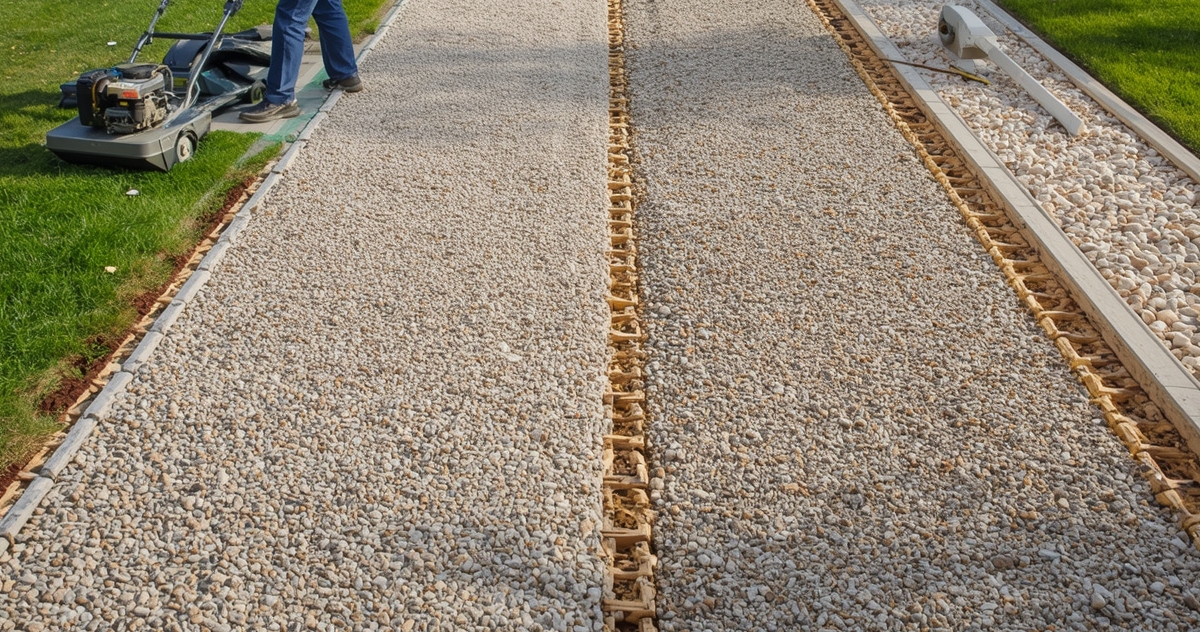
How to Stop Gravel from Moving or Sinking Over Time
Gravel is a popular choice for driveways, paths, and garden features because it looks natural, drains well, and is often more affordable than paving. However, many homeowners and landscapers face the same frustration over time. The gravel shifts, sinks, forms ruts, or spreads into surrounding areas. What starts as a neat surface can quickly become uneven and high-maintenance.
The good news is that gravel movement is not inevitable. With the right preparation, materials, and installation methods, gravel surfaces can stay stable and attractive for many years. This guide explains why gravel moves, what causes sinking, and how proven solutions like proper ground preparation, specialist fabrics, and modern stabilisation systems help keep everything firmly in place.
Why Gravel Moves and Sinks Over Time
Before looking at solutions, it helps to understand the root causes. Gravel does not fail on its own. Movement and sinking usually happen because of what is happening beneath or around it.
Common reasons include:
- Weak or poorly prepared sub-base
- Lack of separation between soil and stone
- Water washing away fines or softening the ground
- Repeated traffic from vehicles or footfall
- No edge restraint to hold gravel in position
Soil conditions play a big role. Clay soils retain water and soften easily, while sandy soils can wash away during heavy rain. Without a proper barrier, gravel gradually presses into the soil below, leading to dips and uneven surfaces.
The Importance of a Solid Sub-Base
A stable gravel surface always starts below ground level. Skipping or rushing sub-base preparation is one of the most common mistakes.
A proper sub-base should:
- Be excavated to an appropriate depth
- Be compacted thoroughly
- Use a well-graded aggregate such as MOT Type 1 or Type 3
For driveways and high-traffic areas, industry guidance often recommends a sub-base depth of 150 to 200mm, depending on soil conditions and expected load. Light-use garden paths may need less, but compaction is still essential.
Without this foundation, even the best gravel will shift and sink over time.
Separating Soil and Gravel with the Right Fabric
One of the most effective ways to stop gravel from disappearing into the ground is to use a quality separation layer. This is where specialist landscaping fabrics come in.
A well-chosen fabric sits between the soil and the aggregate sub-base. It allows water to drain through while preventing soil particles from migrating upward into the gravel layer.
Growtivation supplies a range of fabrics designed specifically for landscaping and ground control. Their products are built around the principle of “product that works,” with a strong focus on durability, performance, and consistency.
When choosing a fabric, it is important to match it to the application.
Weed Control Fabric for Decorative Areas
In borders and light-use areas, heavy-duty weed control fabric can be effective. These fabrics suppress weed growth while allowing air, water, and nutrients to pass through.
They are best suited for:
- Decorative gravel beds
- Borders and planting schemes
- Areas without regular foot or vehicle traffic
For best results, the fabric should be pinned securely and covered with a minimum gravel depth to protect it from sunlight.
Woven and Non-Woven Geotextiles for Load-Bearing Areas
For paths, patios, and driveways, a heavier-duty multipurpose solution is required. This is where geotextile membrane products make a real difference.
Growtivation offers woven and non-woven geotextile fabrics that:
- Separate soil from aggregate sub-base
- Spread loads more evenly
- Reduce settlement and rutting
- Improve long-term drainage
Using a robust fabric beneath the sub-base and gravel helps prevent a process known as pumping, where fine soil particles move upward under pressure and mix with the stone.
Using Gravel Stabilisation Systems for Long-Term Results
While fabric and sub-base preparation go a long way, modern gravel stabilisation systems take performance even further. These systems physically lock the gravel in place, reducing movement on the surface.
One of the most effective options is Gravelrings, a gravel grid system developed by Beauxfort. Gravelrings are designed to contain and stabilize loose aggregate, making them suitable for both pedestrian and vehicular traffic.
How Gravel Grids Work
Gravel grids consist of interlocking panels with a honeycomb structure. Once installed and filled with gravel, they distribute weight evenly across the surface.
Key benefits include:
- Preventing gravel migration
- Prevents sinking and rutting
- Creating a firm, even surface
- Maintaining a natural gravel appearance
According to industry data, gravel surfaces reinforced with grid systems can reduce surface movement by over 80% compared to loose-laid gravel alone, especially in driveways and parking areas.
When to Use a Gravel Grid System
Gravel grids are particularly useful for:
- Driveways
- Parking bays
- Access roads
- High-traffic garden paths
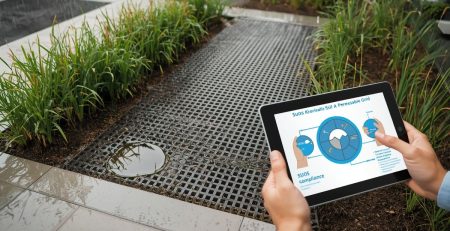
Using a gravel grid system also helps meet permeability requirements, making it suitable for sustainable drainage solutions where water runoff needs to be controlled.
The Role of Edge Restraints
Even with a strong sub-base and stabilisation system, gravel still needs boundaries. Without edge restraints, stones will naturally spread outward over time.
Edge restraints can be made from:
- Metal edging
- Stone kerbs
- Treated timber
- Concrete haunching
- Brickwork
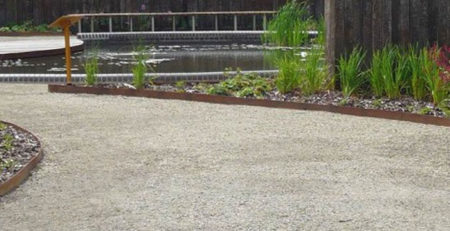
Weathering steel edging is a popular choice in modern landscaping. It provides a clean finish, strong support, and blends well with natural materials.
The key is to ensure edges are installed securely and sit slightly above the gravel level to keep everything contained.
Correct Installation Makes the Difference
Many gravel problems come from cutting corners during installation. Following a clear process helps avoid future issues.
A proven installation approach includes:
- Excavating to the correct depth
- Compacting the sub-grade
- Installing the appropriate fabric
- Laying and compacting the sub-base
- Adding edge restraints
- Fitting gravel grids if required
- Spreading and leveling the gravel evenly
- Light compaction of the gravel surface
Gravel depth also matters. Most decorative and functional gravel surfaces perform best with a top layer of 30 to 50mm. Too little gravel exposes fabrics and grids, while too much can lead to unnecessary movement.
Drainage and Water Management
Water is one of the biggest factors in gravel instability. Poor drainage leads to soft ground, erosion, and sinking.
Using permeable layers throughout the build-up allows water to pass through rather than pool on the surface. Growtivation’s drainage-focused geotextile products are designed to filter water while preventing drainage solutions from becoming clogged from silt build up.
Studies in civil engineering show that surfaces with proper filtration and drainage layers can last several times longer than those without, particularly in areas exposed to frequent rainfall.
Maintenance Tips to Keep Gravel Stable
Even a well-built gravel surface benefits from light maintenance. Regular checks help catch small issues before they become bigger problems.
Simple maintenance steps include:
- Raking gravel back into place if displaced
- Topping up thin areas as needed
- Checking edges and fixing any movement
- Clearing debris that may block drainage
With the right foundation and materials, maintenance becomes minimal rather than constant.
Choosing the Right Materials from the Start
Stopping gravel from moving or sinking is not about a single product. It is about using the right combination of preparation, fabric, stabilisation, and installation.
Working with a trusted landscape supplies company ensures access to products that are designed for real-world conditions. Growtivation’s range of landscaping fabrics and ground control solutions are developed with quality control, clear branding, and proven performance in mind. These products support both domestic and commercial projects where reliability matters.
Bringing It All Together
Gravel surfaces can be durable, attractive, and low-maintenance when they are built correctly. Movement and sinking are usually signs of missing layers or unsuitable materials, not an issue with gravel itself.
By focusing on solid groundwork, effective separation, proper drainage, and modern stabilisation systems like Gravelrings, it is possible to create gravel driveways and paths that stand the test of time. Each layer plays a role, and when they work together, the result is a surface that stays level, secure, and visually appealing.
If you are planning a new project or looking to improve an existing gravel area, choosing the right products from the beginning will save time, effort, and ongoing repairs.
Explore high-quality landscaping solutions and specialist gravel control products at https://www.landscapes-direct.com/ and take the first step toward a gravel surface that stays exactly where it should.