Steel vs. Plastic Edging: Which is Best for Your Landscape Design?
A clean edge can make or break a landscape. It keeps materials where they belong, defines lines, and gives beds, paths, and lawns a finished look. When it comes to choosing landscape edging, two options dominate most projects: steel and plastic. Both have a place in modern landscape design, but they behave very differently once they are in the ground.
This guide walks through how each material performs, where it works best, and how to choose the right one for your space. Whether you are planning a small garden refresh or a full outdoor redesign, understanding the differences can save time, effort, and money in the long run.
Why Landscape Edging Matters More Than You Think
Edging is not just decorative. It plays a practical role in keeping landscapes tidy and low-maintenance. Good edging helps:
- Prevent soil and mulch from spilling into lawns or paths
- Stop gravel from migrating into planting areas
- Define curves and straight lines clearly
- Reduce long-term maintenance
- Support weed control systems beneath the surface
When edging is paired with quality landscape fabrics, such as weed control or geotextile layers, it becomes part of a complete system. The fabric manages what happens below ground, while edging controls what happens at the surface.
A Quick Look at Steel and Plastic Edging
At a glance, the choice seems simple. Steel edging is strong and permanent. Plastic edging is flexible and affordable. The reality is more nuanced, especially when you factor in soil conditions, climate, traffic, and design goals.
Before diving deeper, here is a broad snapshot.
Steel edging is known for strength, durability, and clean lines. Plastic edging is valued for flexibility, ease of installation, and budget friendliness. Each shines in different situations.
Steel Edging: Strength and Structure
Steel edging is often chosen for projects where precision and longevity matter. It is commonly used in formal gardens, commercial landscapes, and areas with heavy use.
Key Benefits of Steel Edging
Steel edging stands out for several reasons:
- Exceptional durability that holds shape for years
- Sharp, clean lines ideal for modern designs
- Strong resistance to movement from foot traffic or weather
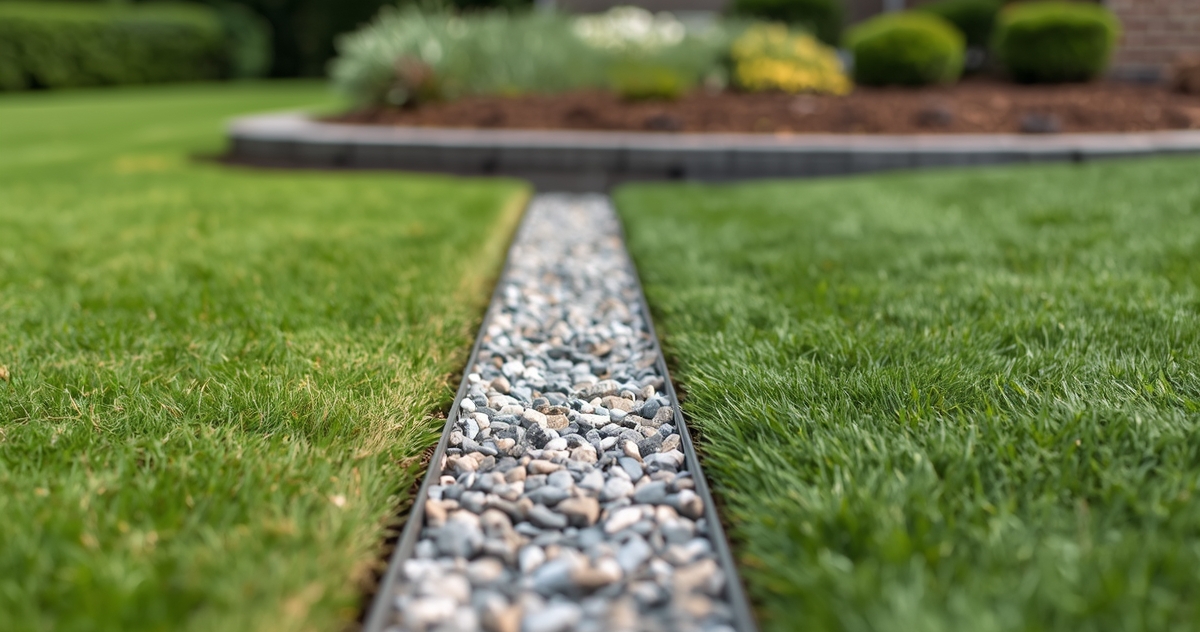
- Excellent containment for gravel and stone
High-quality steel edging is typically coated or treated to resist corrosion. Many modern products use weathering steel that develops a controlled patina while maintaining structural integrity.
Where Steel Edging Works Best
Steel edging performs especially well in:
- Gravel paths and drive borders
- Straight or gently curved designs
- High-traffic areas
- Commercial or public landscapes
- Projects where long-term performance is a priority
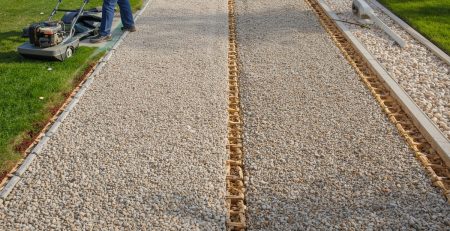
It also pairs well with ground control systems like gravel grids. When gravel is laid over a stabilisation grid and edged with steel, the result is a strong, tidy surface that resists spreading.
Installation Considerations
Steel edging usually requires more effort to install than plastic. It may need:
- Accurate measuring and cutting
- Firm ground preparation
- Secure fixing stakes or pins
Using a solid base layer and a suitable geotextile fabric beneath the surface helps prevent settling and movement over time. This combination supports the edging and extends its lifespan.
Potential Drawbacks
Steel edging is not without downsides:
- Higher upfront cost
- Less forgiving if layout changes later
- Can be challenging to adjust once installed
For projects that may evolve over time, this rigidity can be a limitation.
Plastic Edging: Flexible and Practical
Plastic edging remains popular for residential gardens and DIY projects. It offers versatility and ease without the need for specialist tools.
Key Benefits of Plastic Edging
Plastic edging appeals to many homeowners because it is:
- Lightweight and easy to handle
- Flexible enough for tight curves
- Budget friendly
- Simple to cut and install
Many plastic edging products are made from recycled materials, which can be an added benefit for environmentally conscious projects.
Where Plastic Edging Works Best
Plastic edging is well suited to:
- Curved garden beds
- Light-use residential spaces
- Temporary or evolving designs
- DIY installations
It works particularly well when used alongside weed control fabrics under mulch or bark. The fabric limits weed growth, while the edging helps keep the mulch layer in place.
Installation Considerations
Plastic edging is typically quick to install. Most systems rely on:
- Shallow trenches
- Integrated or separate plastic pegs
- Minimal ground preparation
For best results, the soil should still be compacted properly. Using landscape fabric beneath planting areas adds stability and helps the edging stay aligned.
Potential Drawbacks
Plastic edging does have limitations:
- Can shift over time in loose soil
- Less effective at containing gravel
- May degrade faster under constant sun exposure
- Can look less refined in formal designs
In high-traffic areas or where heavy materials are involved, plastic may need more frequent adjustment.
Comparing Performance Over Time
Longevity is one of the biggest differences between steel and plastic edging.
Steel edging often lasts decades with minimal movement. It holds its line even as soil settles and seasons change. Plastic edging, while durable, may need realignment or replacement sooner, especially in exposed locations.
When edging is installed over a proper sub-base and supported by quality geotextile fabric, both materials perform better. Fabric prevents soil mixing and reduces uneven settling, which directly affects how well edging stays in place.
Visual Impact and Design Style
Design style often influences the final choice.
Steel edging delivers a crisp, almost invisible border that lets materials speak for themselves. It suits contemporary designs and clean layouts.
Plastic edging tends to be more visible, although newer designs aim to blend in. It works well in informal gardens where softness and curves are part of the aesthetic.
If visual impact matters as much as function, steel often has the edge.
Cost Considerations Beyond the Price Tag
Plastic edging usually costs less upfront, which makes it attractive for larger areas or budget-conscious projects.
Steel edging costs more initially but may offer better value over time due to reduced maintenance and replacement needs.
It helps to think in terms of total project lifespan rather than installation day alone.
Steel or Plastic With Gravel Systems
Gravel surfaces present a special challenge. Without proper containment, gravel spreads quickly.
Steel edging excels here, especially when paired with gravel grids such as gravelrings. The grid stabilises the gravel, while steel edging locks everything in place.
Plastic edging can work for decorative gravel areas, but it may struggle under vehicle or heavy foot traffic.
Making the Right Choice for Your Landscape
Choosing between steel and plastic edging comes down to a few key questions:
- Is the design formal or informal?
- Will the area see heavy use?
- Is flexibility more important than permanence?
- What materials need to be contained?
- How long should the solution last without adjustment?
Answering these helps narrow the choice quickly.
In many landscapes, a mix of both materials makes sense. Steel may define main paths and gravel areas, while plastic shapes softer planting beds.
Supporting Edging With the Right Foundation
No edging performs well without proper preparation. Ground conditions matter just as much as the edging material itself.
Using quality weed control and geotextile fabrics beneath beds, paths, and gravel areas improves stability and reduces long-term maintenance. These fabrics allow water and air through while preventing soil movement and weed growth.
When combined with the right edging, they create a landscape that looks better and lasts longer.
Final Thoughts
Steel and plastic edging each serve a clear purpose in landscape design. Steel offers strength, clean lines, and long-term reliability. Plastic delivers flexibility, ease, and affordability.
The best choice depends on how the space will be used, how permanent the design is, and what materials need to be controlled. With thoughtful planning and the right supporting products beneath the surface, either option can deliver a polished, professional result.
If you are planning a landscape project and want guidance on edging, fabrics, or ground control systems, explore the full range of solutions available at https://www.landscapes-direct.com/. You will find practical products and clear information to help you build landscapes that look good and perform well for years to come.